MVPs & new products
A first release that is small on scope but honest on foundations, so version two is not a rewrite.
Boolean Solutions is a trusted technology partner for SaaS companies and startups, delivering end-to-end web and mobile development, AI, and product consulting that turns bold ideas into scalable digital products.
Schedule a CallWeb, iOS and Android products built by one senior team — tested, shipped and maintained.
Anyone can ship a first version. We build web and mobile applications the way you would want them built if you had to maintain them yourself — sensible architecture, tested code, and a stack chosen for your problem rather than our habits.
We are comfortable across the list below, but we are not neutral about it. Here is where we lean and why — if your team already has a stack, we will work in it rather than argue.
Default: React with Next.js for anything that needs SEO or fast first paint. Angular where a large team benefits from stronger conventions.
 React
React Next.js
 Angular
 TypeScript
 JavaScript
 HTML5 / CSS3
 jQuery
 Tailwind
Default: Ruby on Rails when time to market matters — it carries a small team a very long way. Node.js for real-time and high-concurrency work, Python where data or ML sits in the critical path.
 Ruby on Rails
 Ruby
Ruby Node.js
 Python
 Django
 .NET
.NET PHP
PHP GraphQL
Default: React Native so one codebase serves both stores. We go fully native in Swift or Kotlin when the app leans hard on device hardware, background processing or platform SDKs.
 React Native
 Ionic
Ionic Swift
Swift Kotlin
 iOS
iOS Android
Default: PostgreSQL until something forces our hand. Redis for caching and background queues, Elasticsearch when search is a feature rather than a filter.
 PostgreSQL
 MySQL
MySQL MongoDB
 Redis
Redis Elasticsearch
 SQLite
Default: AWS when you need managed services and room to grow. A well-run VPS is often the honest answer for an early product with a predictable bill.
 AWS
AWS Google Cloud
 DigitalOcean / VPS
 Heroku
 Docker
 Nginx
NginxMost products live or die on what they connect to. We treat integrations as first-class code with their own tests and failure handling, not glue scripts.
 Auth0 / SSO
How we choose. The stack follows the problem: expected load, the shape of your data, what your team can maintain after we hand over, and how quickly you need something in front of users. We will tell you when a boring choice is the right one.
A first release that is small on scope but honest on foundations, so version two is not a rewrite.
Multi-tenancy, billing, roles and permissions, admin tooling and the unglamorous plumbing that makes a product sellable.
Cross-platform or native apps with offline handling, push, deep links and a release process that does not scare you.
Inherited a codebase that slows every change? We stabilise it, add tests around the risky parts, then modernise in slices.
We pin down what has to be true for launch and cut everything that does not serve it.
Working software every sprint on a staging URL you can click through, not a status report.
Automated tests, load checks, error tracking and a deployment pipeline before you go live.
Monitoring, fixes and the next slice of roadmap — or a clean handover to your own team.
These are not line items on a quote. They are how we work, because skipping them costs you more later.
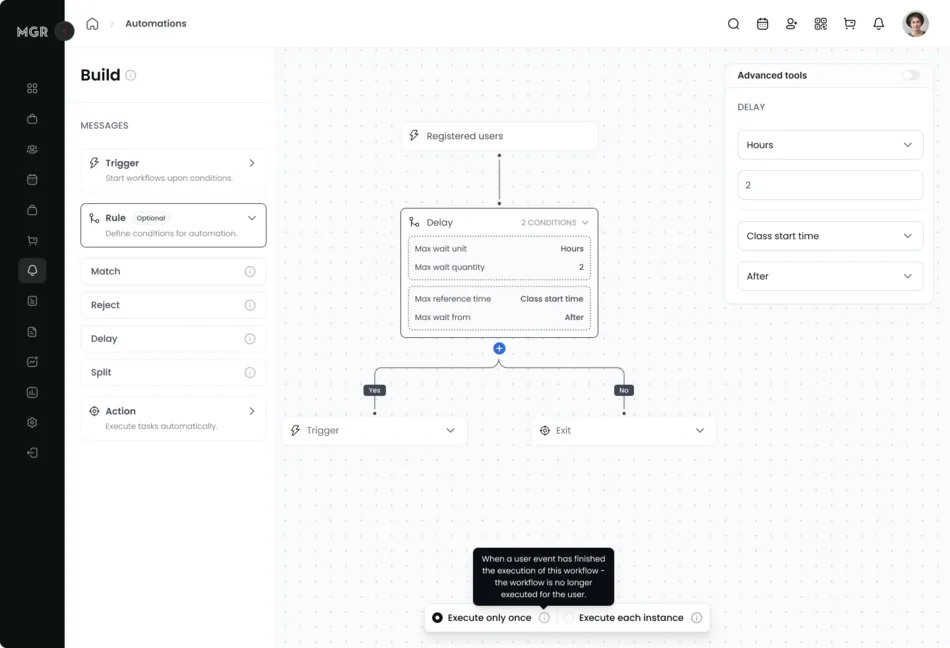
A small vocabulary of triggers, rules and actions, composable enough that studios assembled automations the product was never specified to support.
14 triggers, usable mid-workflow
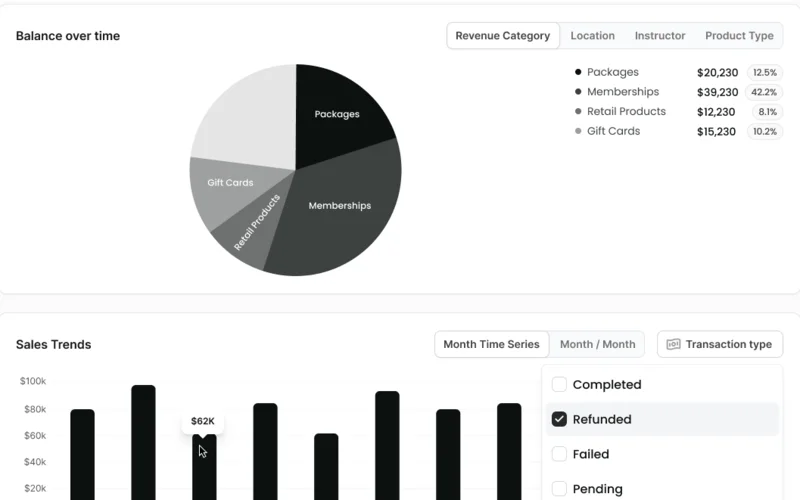
Five years of financial reporting re-platformed onto an append-only revenue ledger, migrated one tenant at a time behind a feature flag, with the old query path a boolean away throughout.
5 years of reporting re-platformed, no cutover
Tell us about your web, mobile, or agentic AI project — we'll get back with a tailored proposal, usually within a business day.