

Serverless Computing: What You Trade Away
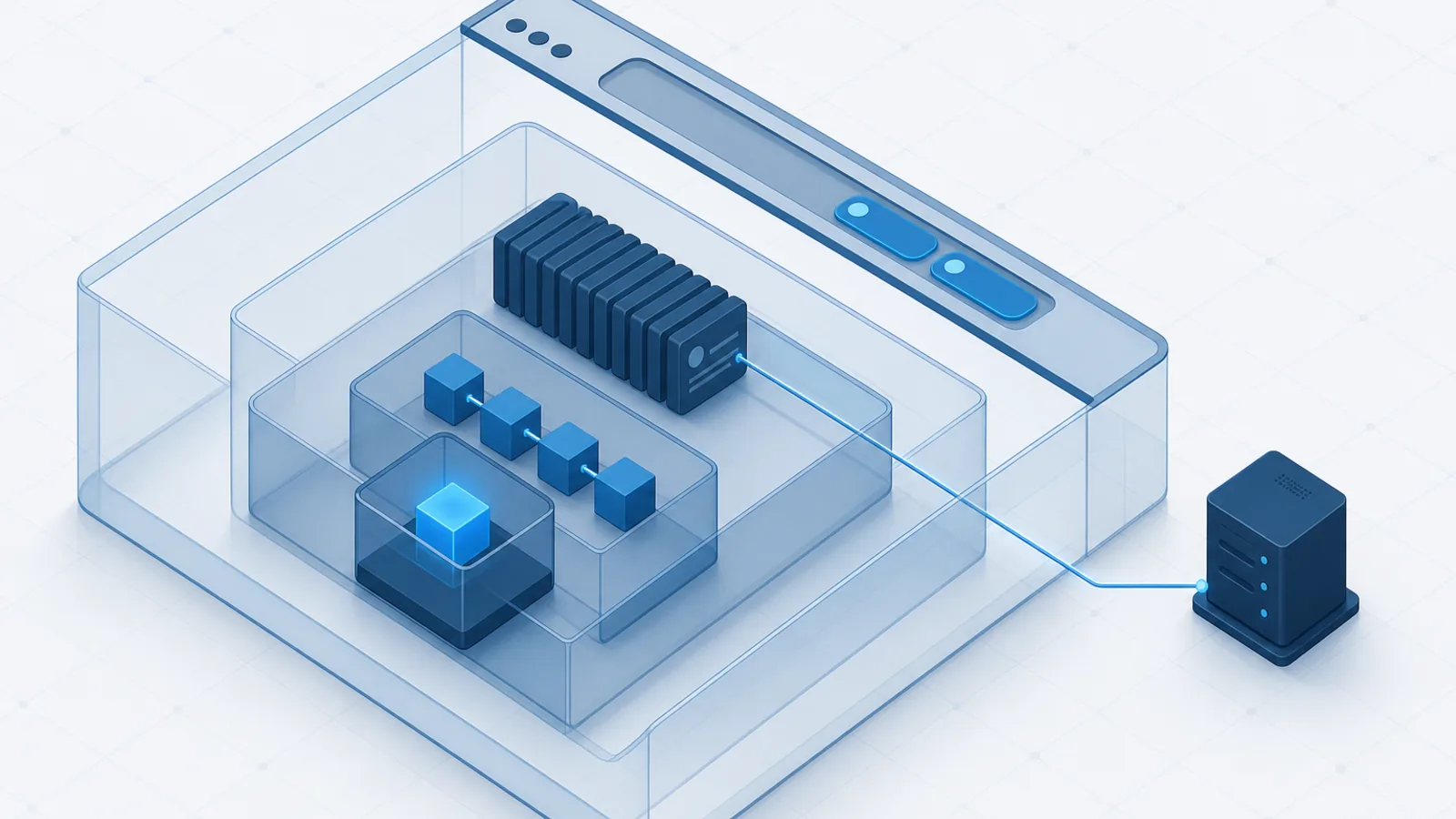
Serverless removes the server and adds a different set of problems: cold starts, execution limits, local development and a bill that scales with traffic. When that trade is worth making.
What we have learned building and rescuing products for SaaS companies and startups — architecture, AI, security, delivery. No listicles, no reheated press releases.
Serverless removes the server and adds a different set of problems: cold starts, execution limits, local development and a bill that scales with traffic. When that trade is worth making.
A marketing AI tool is only as good as the process around it. What Jasper is genuinely useful for, what it produces badly, and how to keep the output from sounding like everyone else.
Getting one striking image is easy. Getting forty that look like they came from the same studio is the actual skill, and it comes down to constraint, not cleverness.
LangChain got a reputation for abstraction it has partly earned and partly outgrown. Where the split with LangGraph leaves things, and when either is the right dependency.
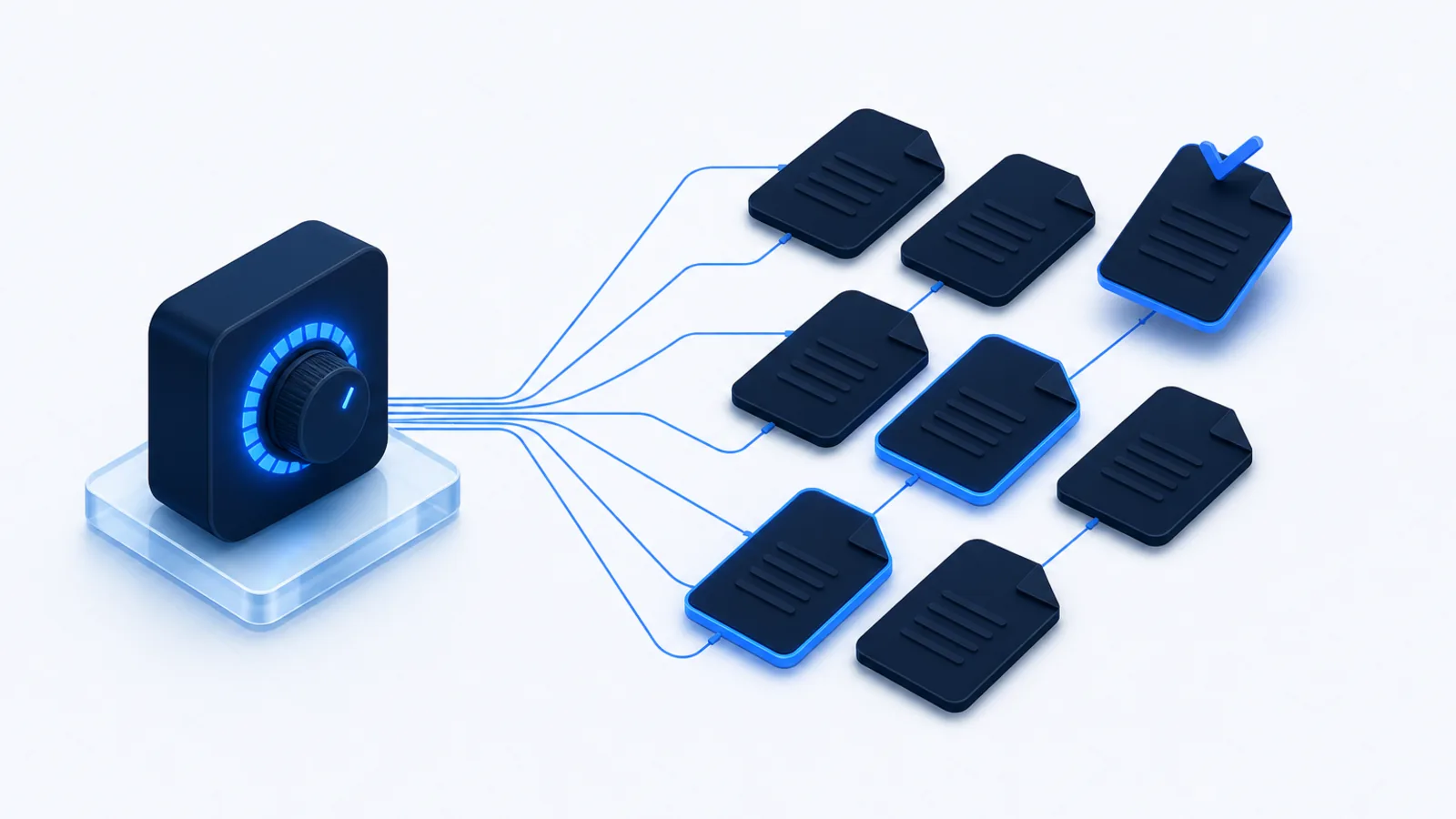
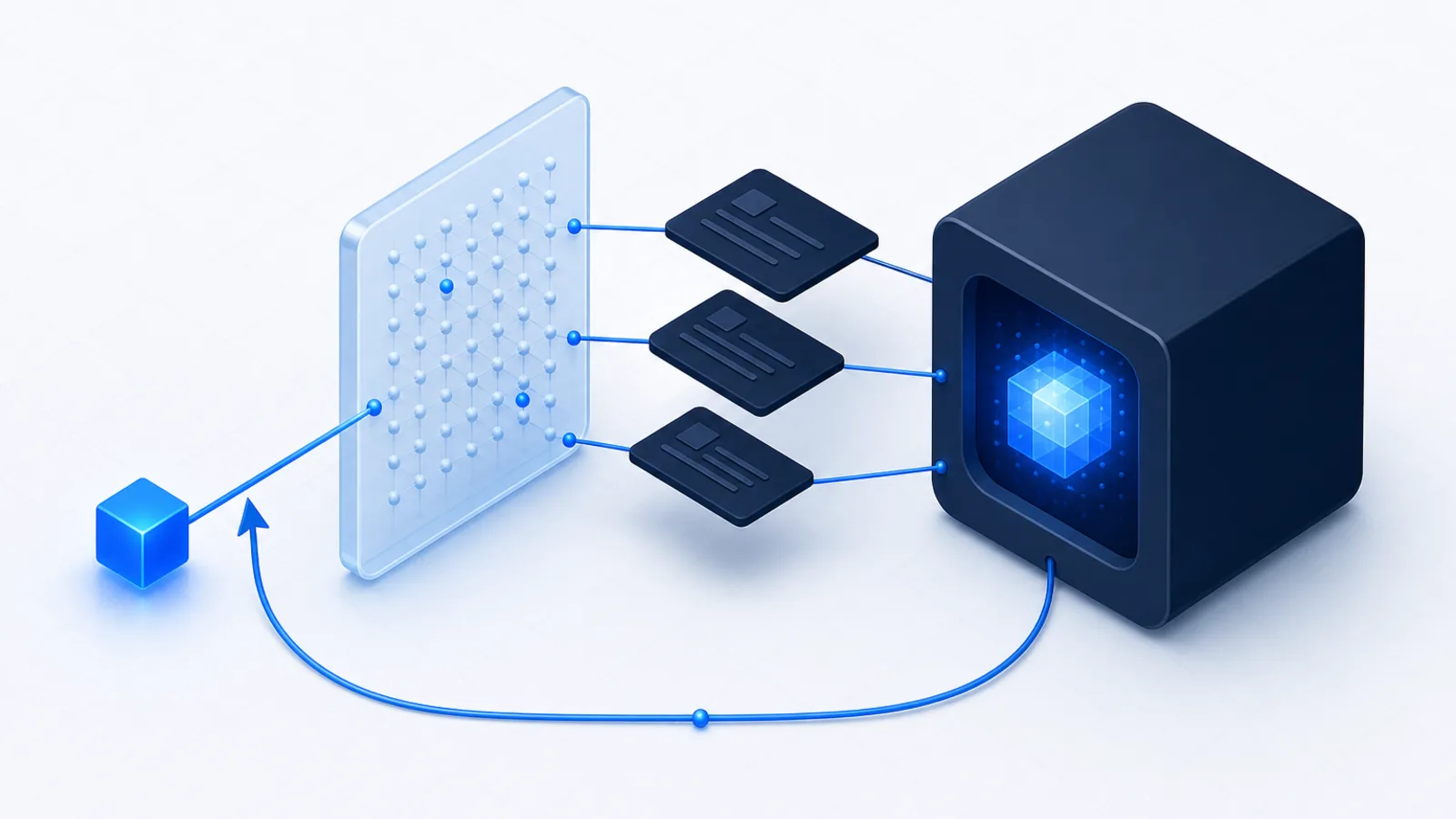
Three overlapping terms that describe three different amounts of risk. What separates a prompt from a retrieval system from an agent, and which one your problem actually needs.
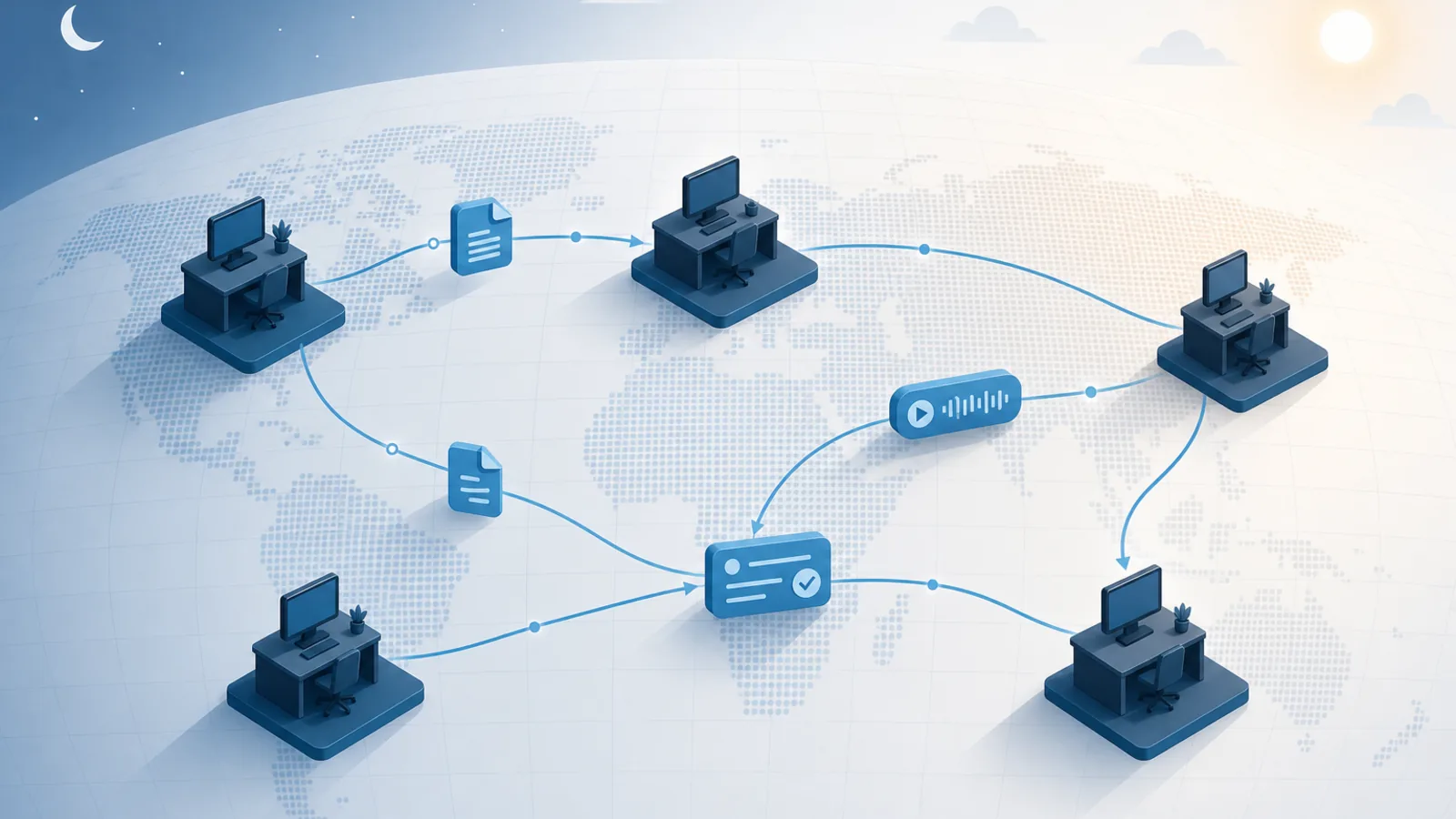
Remote work fails when a co-located culture is run over video calls. What actually has to change: writing, decision records, deliberate onboarding and trust that is structural rather than personal.
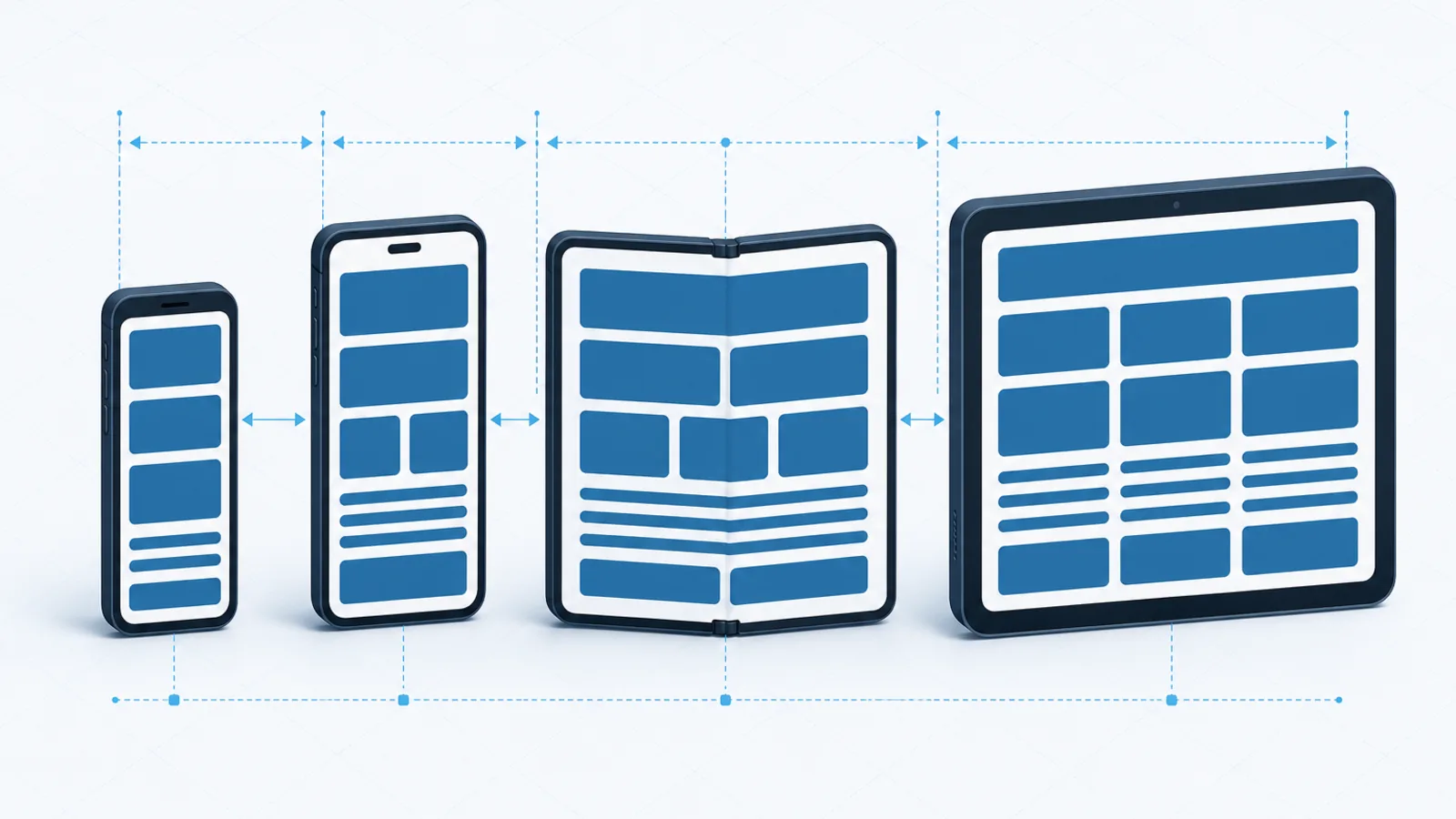
Phones, foldables, tablets and desktop targets from one codebase. The layout primitives, breakpoint strategy and testing approach that keep a React Native app honest across every screen.
Most React state problems are placement problems. The five places state can live, how to tell which one you need, and why server data does not belong in a global store.
A theme is not the cheap option and custom is not the good option. What each actually costs over three years, and the honest test for which one your product needs.
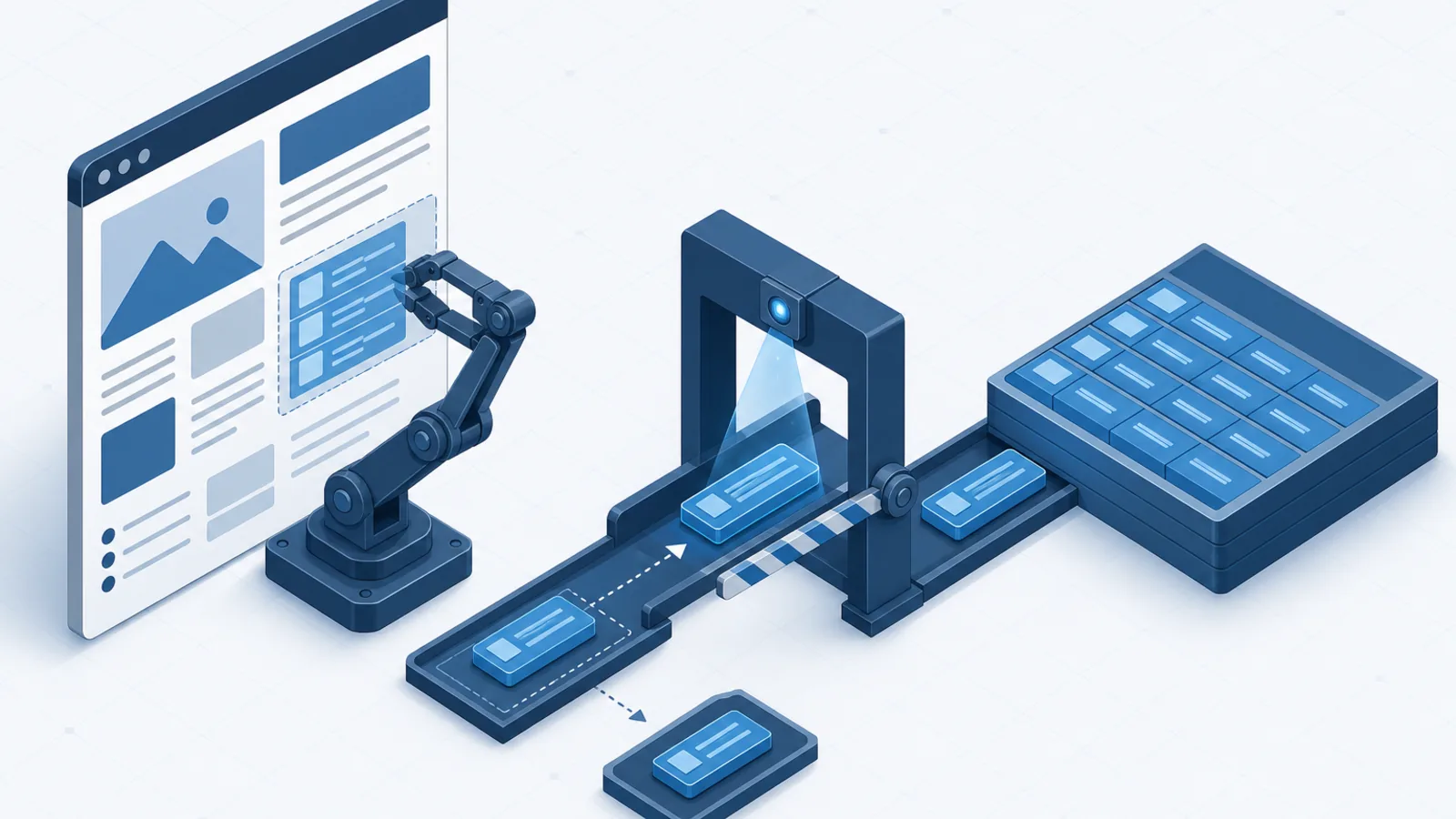
Fetching a page is trivial. Doing it lawfully, at scale, against sites that do not want you to, and keeping the data correct as pages change, is the actual project.
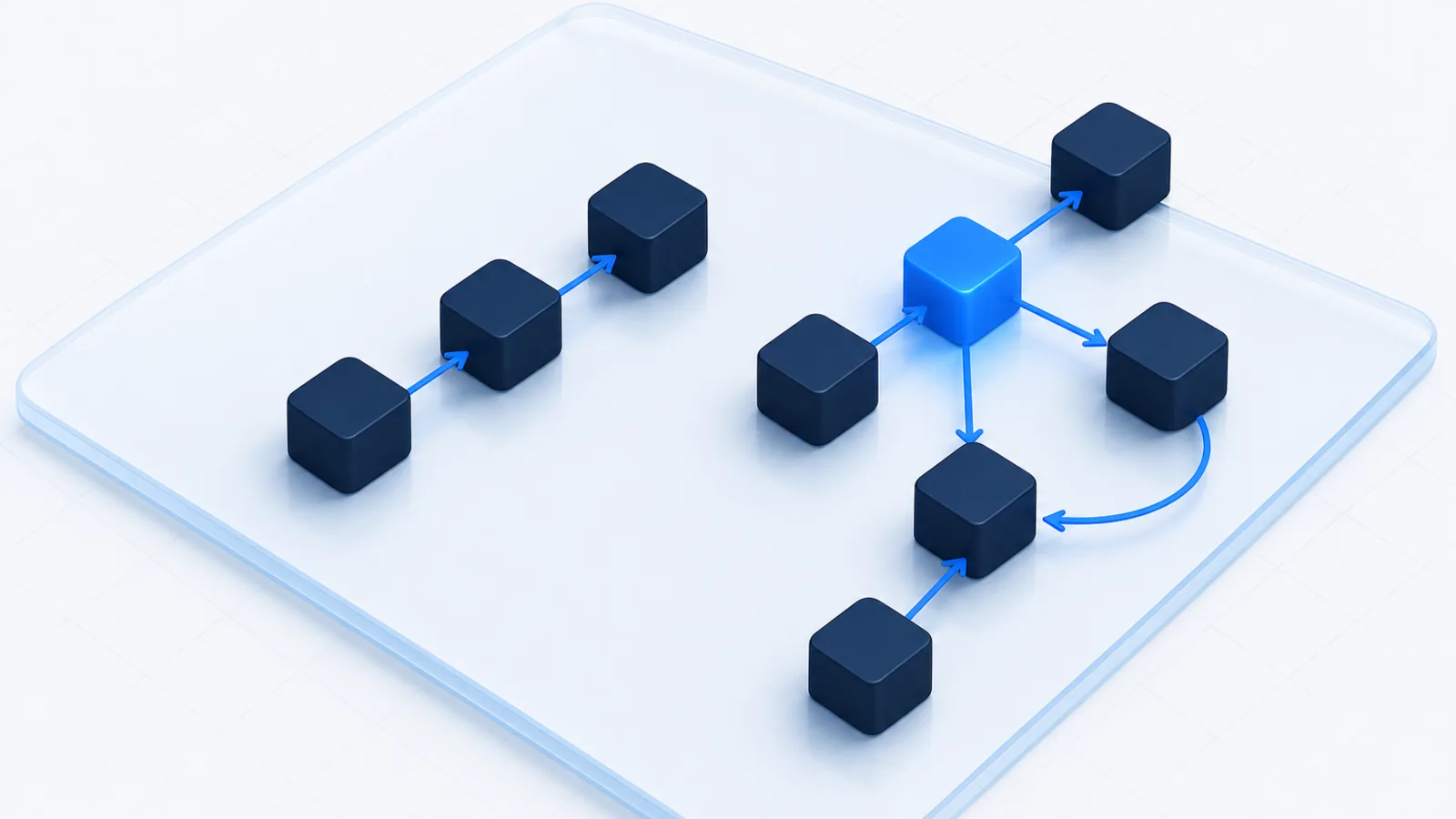
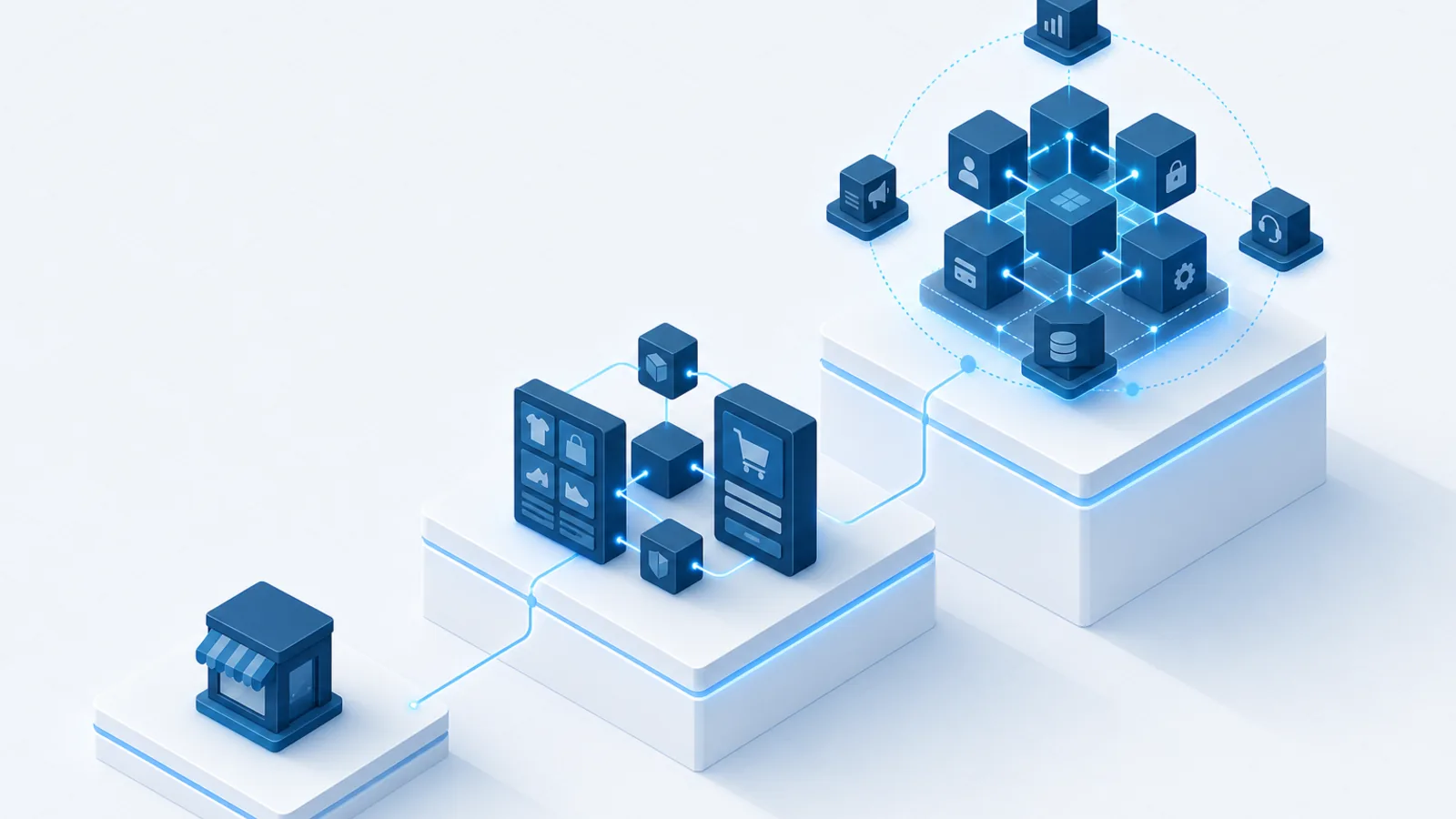
Most e-commerce projects fail at a stage transition, not at launch. The four stages a commerce system passes through, and the signals that tell you it is time to move.
Taking money is easy. Taking money reliably, refunding it, reconciling it and staying out of PCI scope is the part that takes a quarter. What a payment system really has to do.
Tell us about your web, mobile, or agentic AI project — we'll get back with a tailored proposal, usually within a business day.